
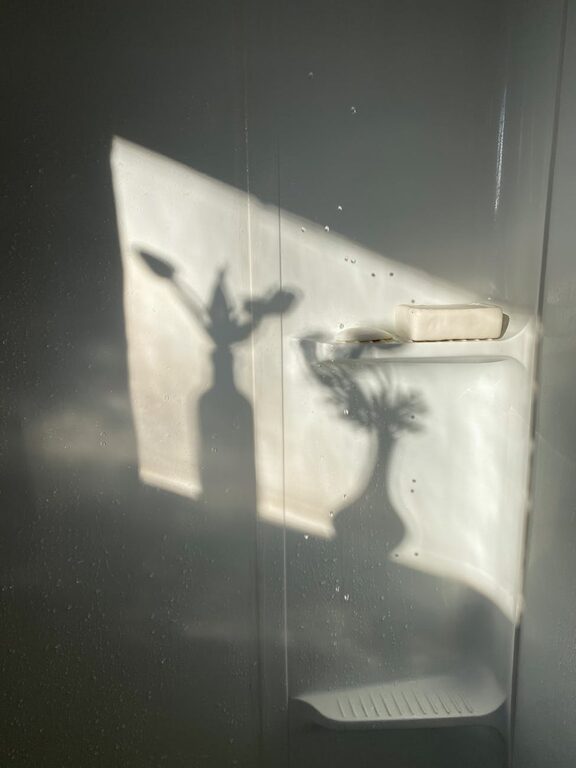
Creating a minimalist bathroom setup is an excellent way to transform your space into a calm, uncluttered retreat. Minimalism emphasizes simplicity, functionality, and clean design — perfect for the bathroom where relaxation and efficiency go hand in hand.
In this guide, we’ll explore practical tips and ideas to help you design a minimalist bathroom that looks modern and feels inviting.
What Is Minimalist Bathroom Design?
Minimalist design focuses on reducing excess and keeping only what serves a purpose or adds beauty. For bathrooms, this means focusing on clean lines, neutral colors, streamlined storage, and fewer decorative elements.
The goal is to create a space that feels open and serene, free from visual clutter or unnecessary items.
Benefits of a Minimalist Bathroom
– Easier to clean and maintain
– Maximizes small spaces
– Creates a calming environment
– Supports better organization
– Feels modern and timeless
Step 1: Choose a Simple Color Palette
Colors set the tone for your bathroom’s look and feel. Minimalism often favors neutral shades like:
– White
– Gray
– Beige
– Soft pastels
These colors make a room feel bright and airy. For example, white walls and light gray tiles work well to keep the bathroom feeling fresh and spacious.
Step 2: Opt for Clean, Streamlined Fixtures
Minimalist bathrooms thrive on simplicity. Choose fixtures with sleek shapes and minimal detailing such as:
– Wall-mounted sinks or vanities
– Floating shelves or cabinets
– Frameless mirrors
– Slimline faucets and shower fixtures
Avoid overly ornate or bulky designs. The idea is to keep everything visually light and functional.
Step 3: Maximize Storage with Smart Solutions
Clutter can quickly disrupt a minimalist vibe. Efficient storage helps keep things out of sight.
Consider these options:
– Built-in medicine cabinets with mirrors
– Floating vanities with drawers
– Open shelving only for a few essentials or decorative items
– Decorative baskets or bins inside cabinets
Make sure storage solutions blend with the room’s design and don’t add unnecessary complexity.
Step 4: Select Minimalist Accessories and Decor
In minimalism, less is more. Choose decor items that complement the space without overwhelming it.
Ideas include:
– A single potted plant for a touch of greenery
– Simple white or neutral towels neatly folded or hung
– Clear glass soap dispensers and organizers
– Minimalist artwork or framed prints in muted tones
Avoid heavy patterns or too many small objects.
Step 5: Use Quality Materials and Textures
Even with a simple design, texture and quality materials can add warmth and interest.
Examples:
– Matte or polished tiles for floors and walls
– Matte black or brushed nickel hardware for contrast
– Natural wood accents for a bit of softness
Using quality materials also ensures durability and long-term satisfaction.
Step 6: Improve Lighting with Simplicity
Good lighting enhances your bathroom’s atmosphere. For minimalist spaces:
– Use recessed lighting or simple fixtures that blend into the ceiling or walls
– Add natural light if possible with window treatments that don’t block sunlight
– Consider LED strip lighting under vanities or mirrors for subtle illumination
Avoid overly decorative light fixtures that distract from the clean lines of your bathroom.
Practical Tips for Maintaining a Minimalist Bathroom
– Regularly declutter items not used daily
– Use matching containers for storage to unify the look
– Keep countertops clear except for essentials
– Choose multipurpose products to reduce clutter
Final Thoughts
Creating a minimalist bathroom setup is about intentional choices—selecting what adds value, function, and calm. The result is a beautiful, clutter-free space that invites relaxation and makes daily routines easier.
Start small by decluttering and updating a few key elements, then build on that foundation to craft your ideal minimalist bathroom.
—
With these guidelines, your minimalist bathroom will become a peaceful, stylish corner of your home you’ll love every day.
