
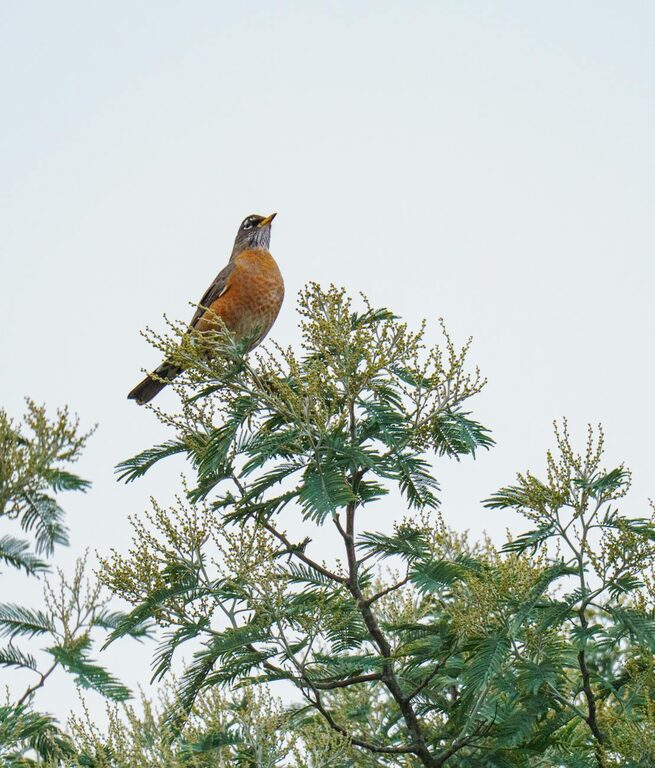
Birdwatching is a delightful hobby that brings you closer to nature without needing to travel far. Your backyard can become a vibrant sanctuary for local birds, offering endless opportunities for observation and relaxation. If you’re new to birdwatching, this beginner’s guide will help you get started with practical tips and simple steps to attract a variety of birds and enjoy their beauty.
Why Backyard Birdwatching?
Birdwatching in your own backyard is accessible, affordable, and educational. It encourages mindfulness, helping you slow down and appreciate the small wonders around you. Plus, it supports local wildlife conservation by providing safe habitats and food sources for birds.
Getting Started: Basic Supplies
Even with minimal gear, you can begin birdwatching today. Here are a few essential items to enhance your experience:
– Binoculars: A lightweight, affordable pair with 6x or 8x magnification is perfect for beginners to see birds clearly without too much shaking.
– Bird Field Guide: A local bird identification book or app helps you recognize species by appearance, songs, and behaviors.
– Notebook or Journal: Keep track of your observations, noting species you see, dates, and interesting behaviors.
– Bird Feeder: Attract birds to your yard by offering food. We’ll cover feeder types below.
Setting Up Your Backyard for Birds
Creating a bird-friendly environment encourages more frequent visits. Consider these factors:
Food
Different birds prefer different foods. Providing a variety can attract diverse species.
– Seed Mixes: Black oil sunflower seeds are popular with many birds.
– Suet: Attracts woodpeckers and insect-eating birds, especially in winter.
– Nectar: Hummingbirds enjoy specially designed nectar feeders.
– Fruit: Offer sliced oranges or berries for birds like orioles and robins.
Water
Birds need fresh water for drinking and bathing. A simple birdbath or shallow dish can make your yard inviting.
– Keep water clean and fresh by changing it regularly.
– Add small stones to shallow baths to provide perching spots.
Shelter
Providing natural shelter helps birds feel safe.
– Plant native shrubs and trees to offer cover and nesting sites.
– Avoid excessive yard cleanup; leaf piles and brush create habitats for insects birds feed on.
Choosing the Right Bird Feeders
Feeders come in many styles, each suited to different kinds of birds.
– Tube Feeders: Great for small songbirds like finches and chickadees.
– Platform Feeders: Open trays ideal for ground-feeding birds such as doves and juncos.
– Hopper Feeders: Hold large quantities of seed and attract a wide variety.
– Suet Cages: Hang these to offer high-energy food during colder months.
Place feeders near shelter but out of reach of predators like cats.
Tips for Birdwatching Success
Be Patient and Quiet
Birds are easily scared by sudden movements and noise. Find a comfortable spot, remain still, and speak softly.
Observe at Different Times
Bird activity changes throughout the day. Early morning is usually best, but evenings can also bring interesting sightings.
Use Your Senses
Look for movement, listen for calls, and watch for bird activity near feeders and trees.
Keep a Birdwatching Journal
Recording your sightings helps you track patterns and builds your identification skills over time.
Common Backyard Birds to Look For
Depending on your region, you may see popular species such as:
– American Robin
– Northern Cardinal
– Blue Jay
– House Finch
– Mourning Dove
– Chickadee
– Woodpecker species
Learning their colors, shapes, and calls makes birdwatching more rewarding.
Seasonal Considerations
Bird visitors change with the seasons.
– In spring and summer, expect nesting behaviors and baby birds.
– Fall brings migrating species passing through your area.
– Winter birds rely more on feeders for food, so maintaining supplies is important.
Safety and Ethics in Backyard Birdwatching
– Offer clean water and food to keep birds healthy.
– Avoid overcrowding feeders to reduce disease spread.
– Keep pets indoors during peak birdwatching times to prevent disturbance.
– Observe without touching nests or handling birds.
Conclusion
Backyard birdwatching is a relaxing and enriching pastime that anyone can enjoy. By providing simple food, water, and shelter, you invite nature’s beauty right to your doorstep. Embrace patience, use your senses, and keep a record of your experiences to deepen your connection to local wildlife. Happy birdwatching!
—
For more tips and updates, consider joining local birdwatching groups or online forums. There’s always something new to learn and discover.
