
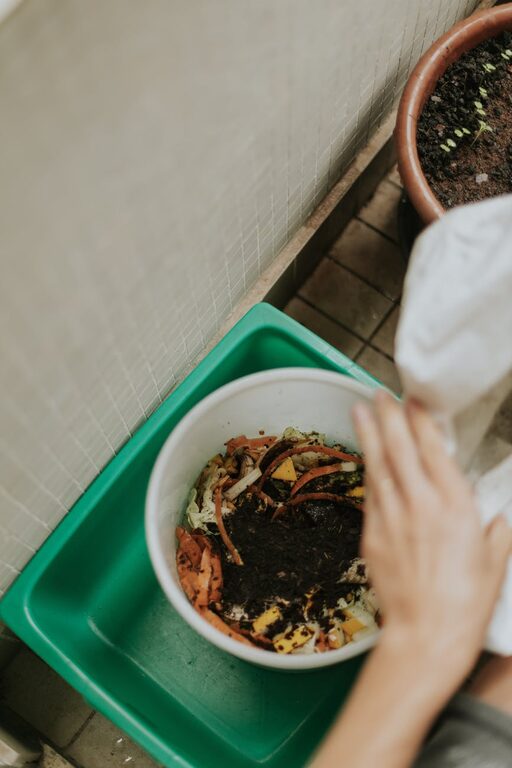
Composting at home is a rewarding way to reduce waste, enrich your garden soil, and contribute to a healthier environment. If you’re new to composting, it might seem a bit overwhelming at first, but with some simple tips, you can quickly get the hang of it. This guide will walk you through the basics and provide helpful advice to start composting successfully today.
What Is Composting?
Composting is the natural process of recycling organic matter, such as food scraps and yard waste, into a valuable fertilizer known as compost. This dark, crumbly material improves soil structure, promotes healthy plant growth, and reduces the need for chemical fertilizers.
Why Compost at Home?
– Reduce waste: Diverts a significant portion of household trash from landfills.
– Save money: Cuts down on buying commercial fertilizers and soil conditioners.
– Improve soil: Boosts soil fertility and moisture retention naturally.
– Help the environment: Decreases greenhouse gas emissions from organic waste in landfills.
Choosing a Composting Method
Before starting, decide which composting method suits your space and lifestyle. Here are the most common options:
1. Compost Bin
A bin is a contained space to keep your compost neat. You can buy ready-made bins or build your own from wood or plastic.
– Suitable for small to medium gardens.
– Helps retain heat and moisture.
– Keeps pests away.
2. Compost Pile
A simple heap of organic material placed in a corner of your yard.
– Easy to start with no special setup.
– Requires more turning and maintenance.
– Works well for larger spaces.
3. Worm Composting (Vermicomposting)
Using worms to break down scraps in a bin, helpful indoors or small apartments.
– Produces nutrient-rich worm castings.
– Suitable for limited space.
– Requires regular feeding and care of worms.
Getting Started: Essential Composting Tips for Beginners
1. Find the Right Spot
Choose a dry, shaded area with good drainage for your compost bin or pile. It should be easily accessible so you can add materials and turn the compost regularly.
2. Balance Green and Brown Materials
Successful composting depends on a balance of “green” nitrogen-rich materials and “brown” carbon-rich materials.
– Green materials: Vegetable scraps, coffee grounds, grass clippings, fresh leaves
– Brown materials: Dry leaves, straw, shredded paper, cardboard, wood chips
Aim for about 2 to 3 parts brown to 1 part green for effective decomposition.
3. Chop or Shred Materials
Cutting materials into smaller pieces speeds up the composting process by increasing surface area for microbes.
Examples:
– Chop fruit and vegetable scraps.
– Shred paper and dry leaves.
4. Keep Your Compost Moist
Compost should be about as damp as a wrung-out sponge. Too dry, and decomposition slows; too wet, and it can become smelly and anaerobic.
– Water occasionally if it’s dry.
– Cover compost with a lid or tarp to retain moisture.
5. Turn Your Compost Regularly
Aeration is important to provide oxygen to the microorganisms breaking down the waste.
– Turn your compost every 1 to 2 weeks using a pitchfork or compost aerator.
– This prevents odor and speeds up breakdown.
6. Avoid Adding Certain Items
To keep your compost healthy and pest-free, avoid:
– Meat, dairy, and oily foods: Attract pests and create odors.
– Diseased plants or weeds with seeds: Can spread problems in your garden.
– Pet waste: Can contain harmful pathogens.
7. Be Patient
Composting takes time. With regular care, you can expect finished compost in about 3 to 6 months. The result will be a dark, crumbly, earthy-smelling material ready to nourish your plants.
Troubleshooting Common Issues
Smelly Compost
If your pile smells bad, it might be too wet or have too many greens. Add brown materials and turn it to introduce oxygen.
Slow Decomposition
This could be due to dryness, lack of nitrogen, or materials being too large. Check moisture, add greens, and chop scraps finer.
Pest Problems
Keep meat and oily foods out. Secure bins with tight-fitting lids and avoid piles exposed to animals.
Using Your Finished Compost
Once your compost looks dark and crumbly and doesn’t smell bad, it’s ready to use.
Ways to use compost:
– Mix into garden beds to enrich soil.
– Use as mulch around plants to retain moisture.
– Blend into potting mixes for indoor plants.
Final Thoughts
Composting at home is a simple and eco-friendly way to manage organic waste while improving your garden soil. By following these beginner tips, you’ll turn scraps into black gold and enjoy a more sustainable lifestyle. Start small, be consistent, and watch your compost—and garden—thrive!
—
Happy composting!
